Retinol for Beginners: The Complete Men’s Guide
Retinol has more clinical research behind it than any other skincare ingredient. It also has more men quitting it after two weeks because they didn’t know what to expect. This guide fixes that.
Key Takeaways
- Retinol is a vitamin A derivative that speeds cell turnover and builds collagen — the most proven anti-aging ingredient available without a prescription
- Start slow: apply 2 nights per week for the first 4 weeks before increasing frequency
- Expect the 'retinol uglies' — purging, dryness, and peeling in weeks 2–6 — this is normal and temporary
- Always use SPF in the morning when using retinol; retinol makes skin more sun-sensitive
What Is Retinol (and Why Should You Care)?
Retinol is a form of vitamin A that binds to receptors in your skin cells and directly changes how they behave. It accelerates the rate at which old, damaged cells are shed and new cells are produced — a process called cell turnover. It also stimulates fibroblasts, the cells that produce collagen, to work harder.
The practical result: smoother texture, fewer fine lines, smaller-looking pores, more even skin tone, and — over several months — measurably firmer skin. These aren’t marketing claims. Retinol has over 40 years of peer-reviewed clinical literature backing these outcomes at concentrations as low as 0.025%.
For men, the additional benefit is shaving-related. Regular retinol use smooths the skin surface and reduces ingrown hair susceptibility — a side effect most men don’t expect but notice within a few months.
When Should Men Start Using Retinol?
The dermatologist-standard recommendation is to start retinol in your mid-20s — around age 25. Here’s why: collagen production starts declining around 1% per year from your mid-20s. If you start retinol at 25 and use it consistently, you’re maintaining and stimulating collagen production while the loss is still minimal. If you wait until your 40s, you’re playing catch-up.
Under 25
Skip retinol for now. Focus on SPF, cleanser, and moisturizer. Your collagen production is still maximal.
25–35
Ideal time to start. Begin with low concentration (0.1–0.25%) 2x/week and build from there.
35+
Start now. Consider 0.5% or prescription tretinoin if OTC results feel slow. Consistency matters most.
How to Start: The 2-Night-a-Week Rule
The single biggest mistake beginners make is using retinol every night from day one. Your skin needs time to build a tolerance to retinol — a process called retinization. Jump in too fast and you’ll experience significant peeling, redness, and irritation that makes most guys quit.
The protocol that works:
- Weeks 1–4
Apply retinol 2 nights per week only (e.g. Tuesday and Friday). Use your regular moisturizer on all other nights.
- Weeks 5–8
If your skin has adapted with minimal irritation, increase to 3 nights per week.
- Month 3+
If tolerating well, increase to every other night (4x/week). Most men stay here long-term.
- Advanced
Nightly use is possible after 6+ months of consistent use. Not required for excellent results.
Application order matters: cleanse, wait for skin to fully dry (20–30 minutes to reduce irritation), apply a pea-sized amount of retinol, then moisturizer on top. Never apply retinol to damp skin — it significantly increases irritation.
What to Expect: The Retinol Uglies
Weeks 2–6 of retinol use often look and feel worse before they get better. Skin may appear dry, flaky, and slightly red. You might see some purging — breakouts emerging that were already forming under the surface. This phase has a name in skincare circles: the “retinol uglies.” It’s real, it’s temporary, and it means the retinol is working.
The purging happens because retinol speeds cell turnover, pushing subclinical congestion to the surface faster than it would naturally clear. If you were going to get those breakouts anyway, retinol is just accelerating the timeline. Stick with it.
Managing the Retinol Uglies
- +Apply a heavier moisturizer on retinol nights to counteract dryness
- +The 'sandwich' method: moisturizer before and after retinol reduces irritation for sensitive skin
- +Avoid exfoliation on retinol nights — use it on alternating nights
- +Skip retinol the night before an important event
- +Most symptoms resolve by week 6–8; if still severe after 8 weeks, lower your concentration
Retinol Mistakes to Avoid
Mistake: Using retinol in the morning
Fix: Retinol degrades in UV light and increases photosensitivity. Night use only — always.
Mistake: Skipping SPF
Fix: Retinol makes skin more vulnerable to UV damage. SPF 30+ every morning is non-negotiable when you're on retinol.
Mistake: Mixing with vitamin C or AHA/BHA on the same night
Fix: These combos amplify irritation without adding benefit. Use vitamin C in the morning, exfoliants and retinol on alternating nights.
Mistake: Quitting during the adjustment phase
Fix: Weeks 2–6 are the hardest. Symptoms are temporary. Lower your frequency if needed, but don't quit.
Mistake: Starting at too high a concentration
Fix: Begin with 0.1–0.25%. There's no benefit to jumping to 0.5% or 1% before your skin has adapted.
Which Retinol Should You Start With?
These are the three beginner-friendly retinols we recommend most for men starting out. All three are well-tolerated, clearly labeled with their concentration, and available without a prescription.
Differin
Adapalene Gel 0.1% Acne Treatment

Prescription-strength retinoid, now over the counter. The most effective OTC acne treatment available.
Best for
Oily, Combination, Normal
Key ingredients
Adapalene 0.1%
When to use
Night only
CeraVe
Resurfacing Retinol Serum
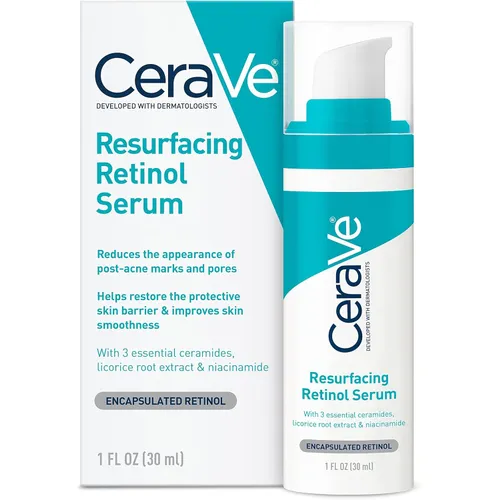
Retinol without the drama. Encapsulated formula means less irritation while your skin adjusts.
Best for
Normal, Combination, Oily
Key ingredients
Encapsulated retinol, Ceramides, Niacinamide
When to use
Night only
The Ordinary
Retinol 0.5% in Squalane
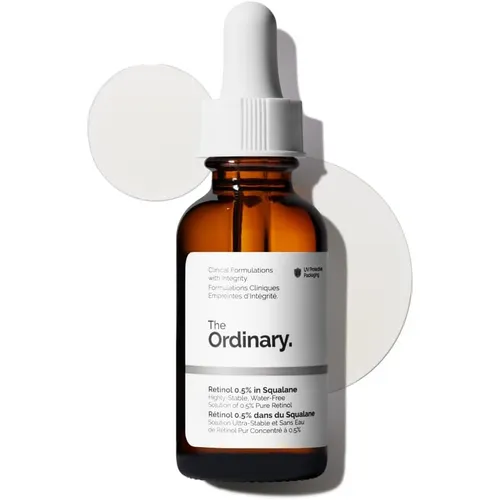
Starter retinol at a price that makes experimenting painless.
Best for
Normal, Combination, Oily
Key ingredients
Retinol 0.5%, Squalane
When to use
Night only
Ready to Build Your First Retinol Routine?
We’ll match you with the right retinol concentration for your age and skin type and build a complete PM routine around it.
Build My Routine